
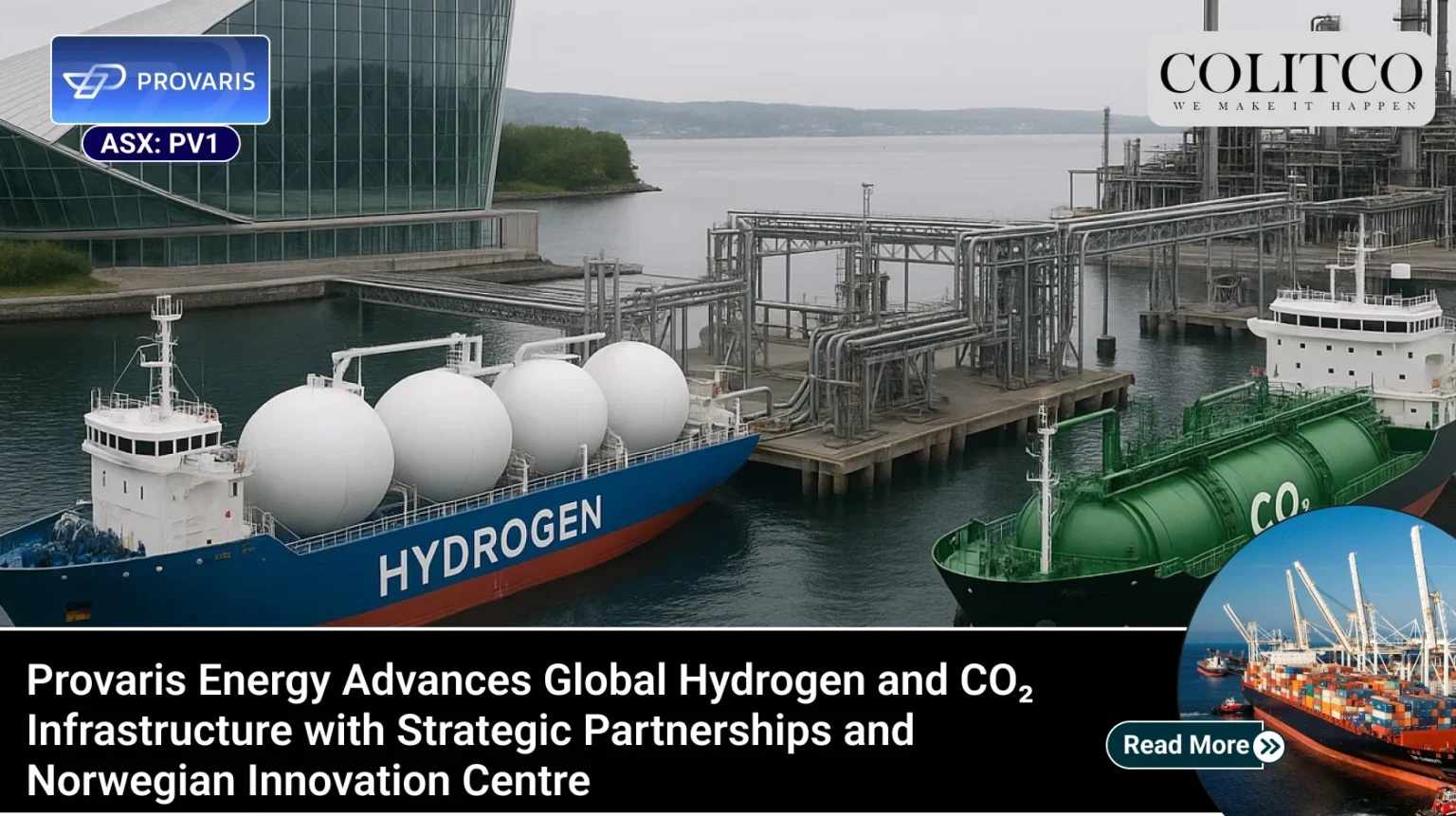
Hydrogen’s versatility allows it to address emissions in sectors traditionally resistant to electrification. Heavy industries such as steelmaking, cement, and chemicals can substitute fossil fuels with hydrogen, significantly reducing carbon intensity. Similarly, hydrogen fuel cells offer an effective solution for long-distance transport—particularly in trucking, shipping, and aviation, where battery limitations persist.
Europe’s industrial clusters are already implementing hydrogen-based technologies. The deployment of hydrogen direct reduction (H-DR) in steel production marks a transformative step toward zero-carbon metallurgy. Meanwhile, the expansion of hydrogen refueling infrastructure supports the growing fleet of fuel cell vehicles, reinforcing clean mobility objectives. Europe’s success demonstrates the tangible industrial benefits of integrating hydrogen into supply chains.
In Australia, industrial decarbonisation efforts are intensifying through the adaptation of hydrogen in mining operations, transport, and port logistics. Projects like the Hydrogen Energy Supply Chain (HESC) showcase Australia’s capacity to produce and export hydrogen while supporting domestic decarbonisation. These developments reflect how Australia’s hydrogen strategy complements Europe’s broader industrial transition, advancing a collective global pathway toward carbon neutrality.
By addressing both industrial and transport emissions, hydrogen ensures a holistic decarbonisation model. Its adaptability across multiple sectors underscores why hydrogen’s role remains central to global decarbonisation, offering a unified energy solution that bridges nations and industries.









Write a comment ...